
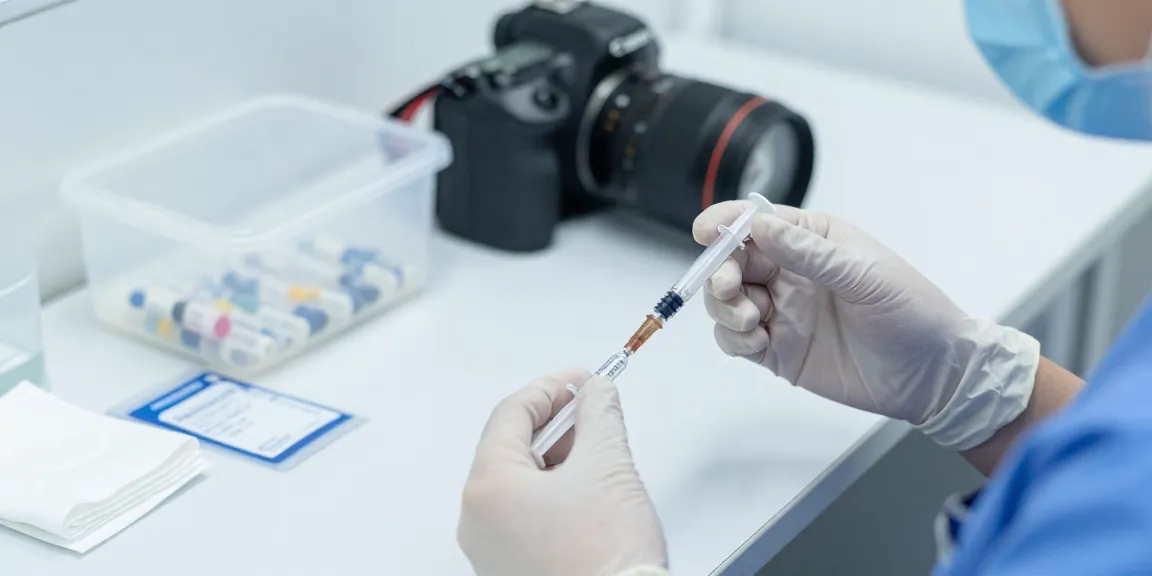
Understanding Syringe Needles: Types and Innovations
Syringe needles are an integral part of modern medical practices, enabling healthcare professionals to administer medications, vaccines, and other vital treatments effectively. With an increasing emphasis on patient safety and comfort, the world of syringe needles has seen considerable advancements in design and technology. In this article, we will delve into the various types of syringe needles, explore innovative designs, and discuss the best practices for their usage to enhance patient care. When exploring options, syringe needles should always meet rigorous standards of quality and efficacy.
Types of Syringe Needles and Their Uses
Syringe needles come in a variety of sizes and types, each designed for specific medical applications. Understanding these different types can aid healthcare professionals in choosing the right needle for their patients.
- Standard Needles: Commonly used for injections, these needles vary in gauge and length depending on the medication and patient requirements.
- Comfort Needles: Designed for reduced pain and discomfort during injections, these needles often feature a specialized coating to enhance patient experience.
- Safety Needles: Engineered to reduce the risk of needlestick injuries, these needles come with safety features such as retractable or shielding mechanisms.
- Pediatric Needles: Smaller in size and designed for children, these needles help minimize pain and anxiety associated with injections in younger patients.
Innovative Designs in Syringe Needle Technology
Recent innovations in syringe needle technology have significantly improved their efficacy and safety. For instance, the development of ultra-fine needles has made injections less painful, encouraging patient compliance. Additionally, some manufacturers are now producing needles with built-in smart technology, allowing for real-time monitoring of injection practices, which can help mitigate human error.
Moreover, advancements in materials have led to syringes that are not only lighter but also more durable and resistant to bending or breaking. These innovations are crucial in ensuring that healthcare professionals can provide the best possible care without compromising on safety.
Choosing the Right Needle Size for Different Applications
Choosing the correct needle size is crucial in achieving successful outcomes in medical care. Factors such as the type of medication, the route of administration, and the patient's age and body composition must be considered. For intramuscular injections, medium-sized needles (22-25 gauge) are commonly recommended, while subcutaneous injections often require finer needles (25-30 gauge). Understanding these nuances can make a significant difference in patient comfort and treatment effectiveness.
Best Practices for Syringe Needle Handling
Safety Protocols in Syringe Needle Use
Ensuring the safety of both patients and medical staff involves following established protocols when using syringe needles. This includes using a new, sterile needle for each injection, proper disposal of used needles in designated sharps containers, and adhering to infection control guidelines to reduce the risk of contamination.
Proper Techniques for Injection to Minimize Risks
Proper injection techniques are essential to minimize complications such as infections or accidental needlestick injuries. Healthcare providers should be trained to use the correct angle and depth for different types of injections. For example, intramuscular injections typically require a longer needle and a 90-degree angle, while subcutaneous injections are performed with shorter needles at a 45-degree angle.
Common Mistakes When Using Syringe Needles
Despite their importance, syringe needles can be mismanaged in various ways. Common mistakes include using the wrong gauge or length, failing to prepare the injection site correctly, and not following up on adverse reactions. Healthcare providers must continually educate themselves to avoid these pitfalls and ensure the highest standards of care.
Patient Safety and Syringe Needles: Key Considerations
Understanding Infection Control with Needle Use
Infection control is paramount when it comes to syringe needle use. Implementing standard precautions such as hand hygiene, using personal protective equipment (PPE), and ensuring the sterility of the needle and syringe can drastically reduce the risk of healthcare-associated infections (HAIs).
Managing Patient Anxiety Related to Injections
Many patients experience anxiety related to injections, which can impact their willingness to seek necessary medical care. Healthcare professionals should employ techniques such as providing clear information about the procedure, demonstrating the injection process, and offering reassurance to help alleviate patient fears.
Legal and Ethical Responsibilities in Needle Administration
The administration of syringe needles also raises important legal and ethical considerations. Healthcare providers must understand their responsibilities in ensuring informed consent, maintaining confidentiality, and adhering to local regulations regarding needle use and disposal. Failure to comply with these responsibilities can lead to negative legal implications and undermine patient trust.
Future Trends in Syringe Needle Technology (2026 and Beyond)
Emerging Technologies in Needleless Injection Systems
Looking ahead, needleless injection systems are emerging as a promising alternative to traditional syringe needles. By utilizing high-pressure mechanisms to deliver medication through the skin without needles, these systems offer significant benefits in reducing pain and fear associated with injections. As technology advances, we expect to see more widespread adoption in clinical settings, especially for vaccinations and chronic disease management.
Impact of Smart Syringe Needles on Healthcare
Smart syringe needles equipped with sensors and connectivity features hold the potential to transform healthcare delivery. These devices can monitor medication delivery rates, record injection sites, and provide real-time feedback to healthcare providers. The integration of such technology could lead to improved patient outcomes, higher adherence to treatment plans, and more efficient healthcare systems.
Personalized Medicine and its Influence on Needle Usage
Personalized medicine is reshaping how healthcare providers approach treatment, particularly in the use of syringe needles. Tailoring injections to individual patient needs—considering factors such as genetics, lifestyle, and disease state—can enhance the effectiveness of treatments. As personalized medicine continues to evolve, syringe technology must adapt to accommodate these unique patient profiles.
Real-World Applications and Case Studies
Case Study: Successful Implementation of Safety Devices
A notable case study can be observed in hospitals that have invested in safety devices for syringe needles. By adopting safety-engineered devices, these institutions reported a significant reduction in needlestick injuries among healthcare staff, enhancing overall workplace safety while maintaining high standards of patient care.
Feedback from Healthcare Providers on Needle Innovations
Feedback from healthcare providers has been overwhelmingly positive regarding the latest innovations in syringe needles. Many nurses and doctors have reported that improved needle designs not only enhance patient comfort but also streamline the injection process, making it more efficient and less stressful for everyone involved.
Measuring Patient Outcomes with Improved Needle Practices
As healthcare practitioners become more adept at utilizing advanced syringe technology, measuring patient outcomes is essential for gauging success. Studies have shown that patients receiving injections with newer, more effective needle designs experience fewer complications and report higher satisfaction with their care.
What Are the Common Concerns Regarding Syringe Needles?
Common concerns surrounding syringe needles include fears of pain, potential for infection, and the risk of needlestick injuries. Addressing these concerns through education, proper training, and the use of safety-engineered devices can greatly enhance patient and provider confidence in needle usage.
How to Properly Dispose of Syringe Needles?
Proper disposal of syringe needles is critical in maintaining safety standards in healthcare. Used needles should be disposed of in specialized sharps disposal containers that are puncture-resistant and secure. Healthcare facilities must adhere to local regulations governing needle disposal to prevent accidents and contamination.
Are There Alternatives to Traditional Syringe Needles?
Yes, numerous alternatives to traditional syringe needles are being explored and developed. Needle-free injectors, microneedles, and inhalation devices are all gaining traction as viable options for administering medications with less discomfort and risk of complications.
What Are the Latest Innovations in Syringe Needle Design?
Recent innovations in syringe needle design include features such as ultra-thin walls that allow for higher flow rates with less pressure, retractable needles that reduce the risk of accidental needlesticks, and coatings that reduce friction for a smoother injection experience.
How to Choose the Right Syringe Needle for Patients?
Choosing the right syringe needle involves evaluating the patient's medical history, current health status, and the specific medication being administered. Healthcare providers should also consider the site of injection, the required injection technique, and the patient's comfort when making their selection.
