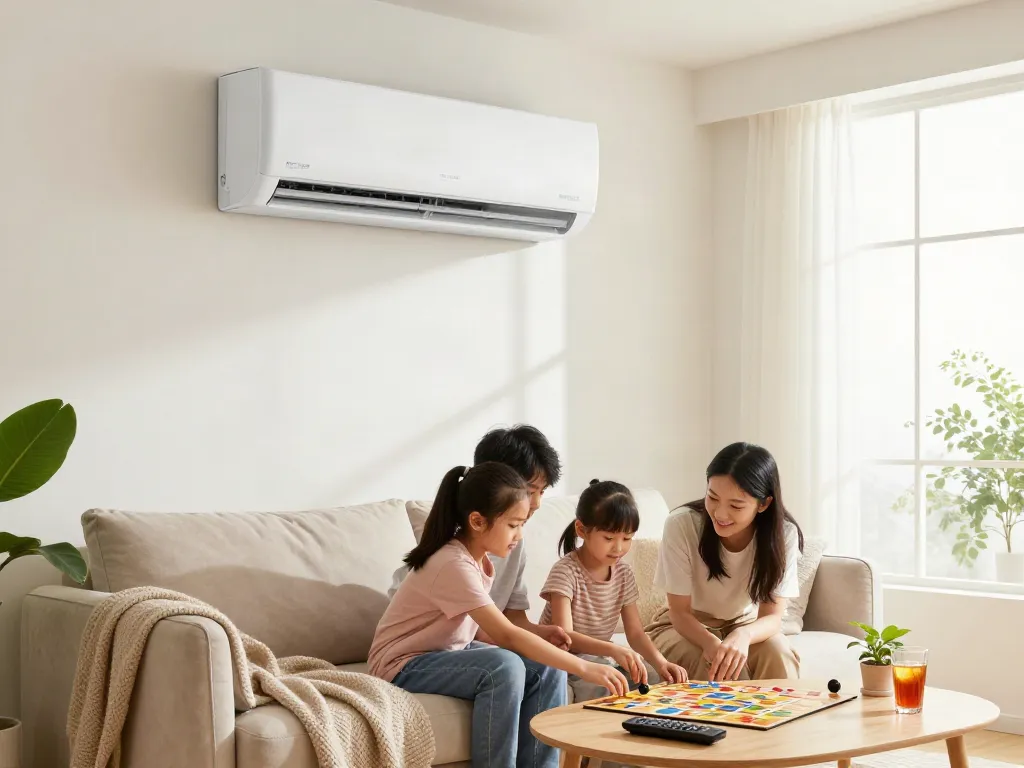
Understanding Ductless AC Systems
Ductless mini-split air conditioning systems have revolutionized how homeowners approach cooling and heating solutions. These innovative systems operate without the need for bulky ductwork, making them an ideal choice for both new constructions and older homes. In recent years, the popularity of ductless ac has surged due to their energy efficiency, flexible installation options, and the comfort they provide in individual spaces. This article aims to demystify ductless AC units, explore their benefits, address common misconceptions, and provide readers with everything they need to know about these systems.
What are Ductless AC Units?
Ductless air conditioning units, often referred to as mini-splits, comprise two main components: an outdoor compressor unit and one or more indoor air-handling units. This design allows for direct cooling and heating of rooms without the inefficiencies associated with traditional ductwork. The absence of ducts not only simplifies the installation process but also enhances energy efficiency, as ducts can often leak conditioned air, leading to energy losses. Ductless systems can be installed in varied configurations, accommodating different room sizes and layouts, thus offering versatility that traditional systems may not.
Benefits of Ductless AC for Homeowners
- Energy Efficiency: Ductless AC units are known for their high SEER (Seasonal Energy Efficiency Ratio) ratings. Many systems achieve ratings of 20 or higher, translating to substantial energy savings.
- Individual Control: With multiple indoor units connected to a single outdoor compressor, ductless systems allow for zone-based temperature control, giving homeowners the flexibility to cool or heat different rooms independently.
- Easy Installation: The installation process for ductless systems is less invasive compared to central air conditioning, typically requiring only a small hole for connecting the indoor and outdoor units.
- Enhanced Air Quality: Ductless systems often come with advanced filtration options that can help reduce allergens and dust particles, improving overall indoor air quality.
- Quiet Operation: Most ductless units operate at sound levels lower than 30 decibels, making them quieter than traditional central air conditioning systems.
Common Misconceptions About Ductless Systems
Despite their advantages, several misconceptions about ductless AC systems persist. Some homeowners believe that these systems are only suitable for certain climates or that they lack heating capabilities. In reality, many ductless systems are equipped with heat pump technology, making them effective for both heating and cooling, even in moderate climates. Another common myth is that ductless units are too expensive to install; however, when considering energy savings and the potential reduction in utility bills, the upfront investment may be offset over time.
Comparing Ductless AC Brands
With various brands offering ductless AC systems, it’s essential to consider the key features and pricing options before making a decision. Each brand typically provides different models, capacities, and additional functionalities that can significantly influence your choice.
Top Features of Leading Ductless AC Brands
Leading brands like Mitsubishi, Fujitsu, and Daikin are recognized for their reliability and advanced technology. Common features among these brands include:
- Inverter Technology: This technology enables units to adjust their cooling power based on room demand, enhancing efficiency and comfort.
- Smart Home Compatibility: Many modern ductless systems offer Wi-Fi connectivity, allowing users to control their systems via smartphone applications.
- Multi-Zone Capability: Some units can service multiple rooms with separate controllers, providing ultimate flexibility.
- Advanced Filtration Options: High-quality filters in these units can reduce indoor pollutants, providing cleaner air.
Price Comparison: Budget vs. Premium Options
The price range for ductless AC systems can vary significantly based on brand, features, and installation complexity. Budget options may start around $2,000, while premium models can exceed $5,000, especially when considering multi-zone configurations. It’s crucial for homeowners to evaluate their specific heating and cooling needs and consider models that provide the best long-term value rather than simply the lowest upfront cost.
Consumer Reviews and Feedback
Consumer reviews often highlight the high satisfaction rates associated with ductless AC systems, particularly regarding energy savings and indoor comfort. However, installation quality can significantly impact performance, making it essential to choose experienced professionals for setup. Reviews can provide insights into specific models’ reliability and ease of use, aiding potential buyers in making informed decisions.
Installation Considerations for Ductless AC
Considering the installation of a ductless AC system involves several factors, including whether to tackle it as a DIY project or hire professionals. Understanding these aspects can significantly affect overall satisfaction with the system.
DIY Installation vs. Professional Setup
While some homeowners may consider DIY installation to save costs, professional installation is generally recommended for ductless systems. This ensures that the unit is set up correctly, maximizing efficiency and performance. Additionally, many manufacturers require professional installation to maintain warranties, which can become a critical factor in your long-term maintenance plans.
Key Factors Affecting Installation Cost
Installation costs for ductless AC units can vary based on several factors, including the complexity of the setup, the number of indoor units being installed, and any specific requirements of the home such as structural modifications. Typical costs can range from $500 to $2,000, depending on these variables.
Step-by-Step Installation Guide
- Determine the number of indoor units required based on room layout and cooling needs.
- Select the appropriate outdoor unit that can handle the total capacity required.
- Install the indoor units on walls or ceilings, ensuring they are positioned for optimal air circulation.
- Run refrigerant lines and electrical connections from the indoor to the outdoor units.
- Test the system to ensure it operates correctly and efficiently.
Energy Efficiency and Ductless AC Performance
Understanding energy efficiency is crucial when choosing a ductless AC system. Key metrics, such as SEER ratings, provide insight into a unit’s performance and potential energy savings.
Understanding SEER Ratings and Their Importance
SEER (Seasonal Energy Efficiency Ratio) ratings measure how efficiently a cooling system operates over an entire cooling season. A higher SEER rating indicates a more efficient unit. For instance, a ductless system with a SEER of 18 may use approximately 30% less energy than one with a SEER of 13, translating into lower utility bills.
Optimizing Energy Use in Ductless AC Systems
To maximize efficiency, homeowners should regularly clean or replace filters, ensure that indoor units are unobstructed, and utilize zoning capabilities effectively. Adjusting temperature settings to align with outside conditions can also contribute to improved energy efficiency.
Long-Term Savings: What to Expect
While the initial investment in a ductless AC system might be higher than in traditional systems, the long-term energy savings can make it a wise choice. Homeowners can expect reduced energy bills and potentially lower repair costs due to the reliability and efficiency of these systems.
Future Trends in Ductless AC Technology
As technology continues to advance, the ductless AC industry is poised for exciting developments. Staying up-to-date with these trends can help homeowners make informed choices for their cooling and heating needs in the future.
Innovations on the Horizon for 2026
Upcoming innovations in ductless technology include more efficient refrigerants, improved inverter technology, and enhancements in smart home integration. Manufacturers are also focusing on creating systems that are quieter and even more energy-efficient, addressing common consumer concerns.
Smart Home Integration with Ductless Systems
With the rise of smart home technology, many ductless systems are now compatible with smart home ecosystems like Google Home and Amazon Alexa. This allows homeowners to control their systems with voice commands or remotely via smartphone applications, enhancing convenience.
Sustainability Features and Environmental Impact
As environmental awareness grows, manufacturers are increasingly focusing on sustainability. This includes developing units using eco-friendly refrigerants and materials, as well as promoting energy-efficient designs that reduce the overall carbon footprint of home heating and cooling.
What is a ductless AC system and how does it work?
A ductless AC system consists of an outdoor compressor and one or more indoor units that provide heating and cooling without the use of ductwork. These systems operate by transferring heat in and out of the home, providing a cost-effective solution for climate control.
Are ductless AC systems worth the investment?
Many homeowners find ductless AC systems a worthwhile investment due to their energy efficiency, lower operating costs, and the ability to customize heating and cooling for various rooms.
How much does it cost to install a ductless AC unit?
Installation costs vary widely based on the number of units and the configuration required. Generally, homeowners can expect to pay between $2,500 and $5,000, including equipment and installation labor.
Can I use ductless AC for heating as well?
Yes, most ductless systems are designed with heat pump capabilities, allowing them to provide both heating and cooling, making them versatile for year-round use.
What maintenance do ductless AC systems require?
Routine maintenance includes cleaning or replacing filters regularly, checking the refrigerant levels, and ensuring that the outdoor unit is free of debris. Annual professional inspections can also help maintain optimal system performance.